
A house and land package can be a good investment, especially in growth corridors like Logan and Ipswich. New builds also keep full negative gearing from 1 July 2027, when negative gearing is limited to new builds, and you can claim strong depreciation deductions on a brand-new home. The real answer depends on your location, your builder, and how long you plan to hold the property.
That’s the short version. Here’s the longer one, because “it depends” isn’t much help without the details behind it.
Buyers choose house and land packages for a mix of financial and practical reasons. A few matter more than others.
Transfer duty. In Queensland, transfer duty depends on how your contracts are structured. Where you buy the land under its own contract before construction starts, duty is generally assessed on the land purchase rather than the finished home’s value, which can cost less than duty on an established property at the same price. Concessions for first home buyers apply only if you live in the home, so investors pay standard rates. Confirm your figure with your conveyancer or the Queensland Revenue Office’s estimator.
Depreciation deductions. A new build lets you claim the building structure under capital works deductions, generally 2.5% a year over 40 years, plus the decline in value of its new fixtures and fittings. Investors who buy an established home after 9 May 2017 can’t claim previously used fittings. The ATO explains depreciating assets and capital works, and most investors get a quantity surveyor to prepare a depreciation schedule.
Builder warranty and lower maintenance. Everything is new, so you’re not budgeting for a roof repair or ageing hot water system in year one. In Queensland, the Home Warranty Scheme generally covers structural defects for 6 years and 6 months from the contract date, and the cover stays with the property if it is sold. Non-structural defects have a much shorter window.
Turnkey convenience. A turnkey package includes landscaping, driveways, and window coverings, so tenants can move in without you organising a dozen smaller jobs first.
Community infrastructure. Master-planned estates are usually built with schools, shopping centres, and parks factored into the design from day one. That infrastructure tends to attract long-term tenant demand, because families want to be close to amenities, not just close to a train line.
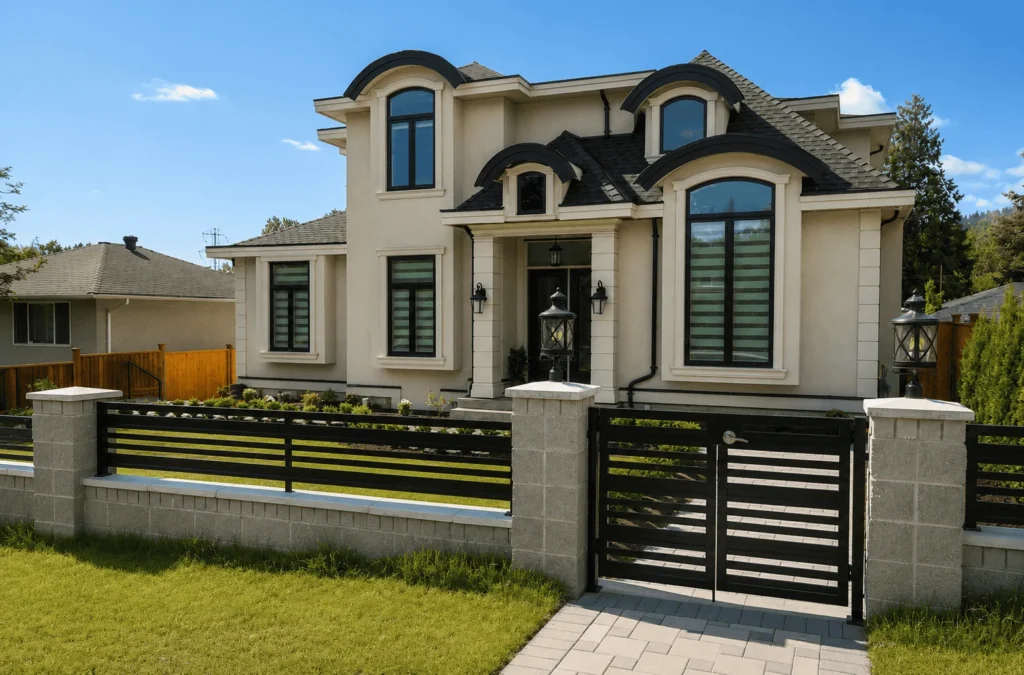
From 1 July 2027, negative gearing for residential property is limited to new builds, under tax reform legislation passed by Parliament in June 2026. Properties held before 7:30pm AEST on 12 May 2026 are grandfathered. Dwellings built on previously vacant land count as new builds under Treasury’s explainer, so investors in house and land packages can keep negative gearing and choose between the 50% CGT discount and the new indexation method when they sell. The catch is resale: the next buyer of your property generally won’t get negative gearing or the 50% discount on it, which may affect your exit plans. Speak to your accountant before you buy.
None of this means house and land is automatically the better choice. It comes down to what you’re buying, and why.
Land value vs building value. This is the one factor that catches new investors out. Capital growth is driven mostly by land, not by the building sitting on it. A house and land package usually has a lower land-to-value ratio than an established home on a similar-sized block, because more of your purchase price goes toward construction. The building depreciates. The land, in a good location, doesn’t.
You can’t inspect the finished product. With an established home, what you see is what you get. With a house and land package, you’re relying on display homes, floor plans, and a contract, which means the finish and quality only become fully clear at handover.
This is usually the real question behind “is it a good investment,” so it deserves a direct comparison.
Established homes on generous blocks in already-developed suburbs often see steadier capital growth over the long term, simply because more of the purchase price sits in land. House and land packages, on the other hand, tend to attract stronger rental demand and higher rental yield in the early years, because tenants pay a premium for a brand-new home with modern fittings and lower running costs.
Maintenance costs work in the opposite direction. An established property, particularly an older one, usually needs more upkeep, and that eats into your returns over time. A new build needs very little for the first several years.
Neither option is universally “better.” A lot comes down to how you plan to use equity, whether you want cash flow now or growth later, and your own risk appetite.
Every credible investment conversation includes the downside, so here it is.
Construction delays. Off-the-plan builds can run behind schedule due to weather, material shortages, or builder workload. That delay can push back your first rental income by months.
Bank valuation shortfalls. Occasionally, a bank’s valuation at settlement comes in below the contract price, which can affect your loan-to-value ratio and require a larger deposit than expected.
Oversupply and vacancy rates. If too many similar packages are released in the same estate at once, rental competition increases and vacancy rates can climb, at least until the area matures.
Due diligence still matters. The builder’s track record, the developer’s delivery history, and the specific corridor you’re buying into will affect your outcome far more than the general “house and land is good or bad” debate ever will.
None of these risks is a reason to avoid house and land packages outright. There are reasons to choose the location and the builder carefully.
This is where the general advice stops being useful and local knowledge starts to matter.
Logan corridor. Suburbs like Yarrabilba, Flagstone, Park Ridge, and Greenbank sit between Brisbane and the Gold Coast, which gives them a genuine dual-direction commuter appeal. Greenbank–North Maclean grew about 14% in 2024–25, according to the ABS.
Ipswich corridor. Ripley and Springfield are two of the more established growth areas west of Brisbane, both benefiting from ongoing transport and town center investment. Buyers here are often drawn to the combination of affordability relative to inner Brisbane and a clear pipeline of further development. Ripley led Queensland’s growth with about 3,100 new residents and around 15% growth.
Both corridors share a common thread: population growth, planned infrastructure, and a housing supply that hasn’t caught up with demand yet. That combination is generally what drives capital growth in outer-ring house and land markets, more than any feature of the package itself.
House and land packages can be a genuinely good investment, but the answer sits in the details rather than the headline. Get the corridor right, choose a builder with a solid delivery record, and understand how land value drives your long-term growth, and the stamp duty savings and depreciation benefits become a real advantage rather than just a sales point.
If you want to see how the numbers actually play out over time, our guides on negative gearing for property investors and how house and land package cash flow works go into more depth on the financial side.
Ready to see what’s available? Browse Landmark’s current house and land packages across Brisbane, Logan, and Ipswich to compare locations, builders, and pricing for yourself.
It can be, especially in growth corridors where land value is likely to rise. You get stamp duty savings, depreciation deductions, a builder’s warranty, and retained negative gearing on new builds, but the real return depends on your corridor, builder, and how long you hold the property.
The main risks are construction delays, bank valuation shortfalls at settlement, and oversupply in estates where too many similar packages are released at once. Choosing an established builder and a corridor with genuine infrastructure investment reduces most of this risk.
It depends on the area. In South East Queensland growth corridors, land is more available, which often makes building competitive with or cheaper than buying established. In built-up inner-Brisbane suburbs, buying established is usually still cheaper.
Many house and land packages in Logan and Ipswich now start from around $780,000 and commonly run to $1,000,000 or more, depending on the estate, block size, and inclusions.
Welcome to Landmark Property Group QLD, Where Heritage Meets Luxury
White Rock Dr, White Rock QLD 4306, Australia
Sam@landmarkhomesqld.com.au
+61 499 207 377